🌻 AI Singularity
AI Singularity
AI Singularity refers to a theoretical point in time when artificial intelligence (AI) will surpass human intelligence, leading to unprecedented changes in society, economy, and technology. It's predicted that post-singularity, AI will autonomously improve itself through continuous learning, resulting in a rapid and exponential growth of intelligence beyond human comprehension.
OpenAI
OpenAI
OpenAI is an artificial intelligence research organization dedicated to developing and promoting friendly AI for the benefit of all humanity. It primarily focuses on advancing digital intelligence in a way that is safe and beneficial for society. OpenAI's mission is to ensure that artificial general intelligence (AGI) surpasses human-level capabilities while benefiting all aspects of human life, including science, healthcare, education, and economy. The organization carries out research, collaborates with other research institutions, and actively seeks to create a global community to address the challenges posed by AGI.
Artificial Intelligence Research Organization
OpenAI is a research organization dedicated to developing and promoting friendly AI for the benefit of all humanity. Their primary focus is on advancing digital intelligence so that it is safe and beneficial for society.
Artificial General Intelligence (AGI)
AGI is the concept of an AI system that possesses human-level capabilities or surpasses them. OpenAI's mission is to ensure that AGI benefits all aspects of human life, including science, healthcare, education, and economy.
Use Cases for a Collaborative Chat AI
Use Cases for a Collaborative Chat AI
Collaborative Chat AI can be beneficial in various areas such as business, education, and personal use. Some use cases include:
Brainstorming & Idea Generation: The AI chatbot can enhance the brainstorming process by suggesting innovative ideas and new perspectives based on user input.
Customer Support & Service: Implementing AI chatbots in customer service can help in answering FAQs, tracking orders, and providing real-time support to customers.
Mental Health and Well-being: The AI can provide support and resources related to mental health. It can assist in stress management techniques, coping strategies, and offering positive affirmations for personal well-being.
Research and Collaboration
OpenAI actively carries out research in various AI fields and collaborates with other research institutions. Their objective is to create a global community that can address the challenges posed by the development and implementation of AGI.
Collaborative Work
Collaborative Work
Collaborative work is a process where individuals or groups work together to achieve a common goal, combining their skills, knowledge, and resources. This approach to work fosters creativity, innovation, and efficiency, as team members can share ideas, learn from one another, and delegate tasks based on their strengths. Communication, trust, and mutual respect are essential components in successful collaborative work, enabling individuals to contribute effectively and resolve conflicts when they arise.
Collaborative Process
A collaborative process involves individuals or groups working together to achieve a shared objective. By pooling together their unique skills, knowledge, and resources, the team can accomplish its goals more efficiently and effectively.
Creativity and Innovation
Collaborative work encourages creativity and innovation, as team members have the opportunity to share ideas and learn from each other. This exchange of perspectives and expertise can lead to the development of new solutions and improvements to existing methods, ultimately driving the team forward.
AIGC
AIGC
AIGC stands for American Indian Graduate Center. It is a non-profit organization that aims to provide financial support in the form of scholarships, fellowships, and other academic assistance to American Indian and Alaska Native students enrolled in graduate and professional degree programs. This support heljdhgjg
jdjhsps to empower and uplift native communities through higher education and professional development.
Communication and Trust
Successful collaboration is heavily reliant on open and effective communication, trust in one another's abilities, and mutual respect. These components allow individuals to express their thoughts, coordinate their efforts, and efficiently handle any issues that may arise to keep the project moving forward.
Team Collaboration
Collaborative Chat AI can assist in streamlining communication and information sharing among team members, reducing email clutter, and helping maintain project deadlines.
Delegation and Team Strengths
An essential aspect of collaborative work is task delegation based on individual strengths. By identifying the unique abilities of each team member, tasks can be assigned in a way that maximizes efficiency and enables the team to leverage these strengths to achieve their common goals.
American Indian Graduate Center
AIGC, or American Indian Graduate Center, is a nonprofit organization with the primary goal of providing financial assistance to American Indian and Alaska Native students pursuing graduate and professional degrees. This aid comes in the form of scholarships, fellowships, and other academic resources.
Project Management
The AI can help in delegating tasks, tracking progress, and providing updates on project milestones.
Brainstorming & Idea Generation
The AI chatbot can enhance the brainstorming process by suggesting innovative ideas and new perspectives based on user input.
Conflict Resolution
In any collaborative work environment, conflicts can inevitably arise due to differences in opinions or approaches. Effectively resolving these conflicts is crucial for maintaining a cohesive and productive team dynamic. Developing conflict resolution skills and promoting open communication can help ensure that issues are addressed promptly, allowing the team to continue working towards its goals.
Artificial Intelligence Research Organization
OpenAI is an organization that concentrates on researching and developing artificial intelligence (AI) technologies. Their goal is to create safe and beneficial AI that aligns with and benefits human interests.
Scholarships and Fellowships
Through AIGC, various scholarships and fellowships are available to aid American Indian and Alaska Native students financially in their pursuit of graduate and professional degrees. These funds can be used to cover tuition, fees, books, and other expenses related to higher education.
Training and Onboarding
The AI can guide new employees or team members through necessary training materials and company policies, making the onboarding process more efficient.
Friendly AI
A friendly AI is an AI system designed to have a positive impact on humanity, ensuring its actions do not harm people or resources and that it acts in the best interests of all.
Customer Support & Service
Implementing AI chatbots in customer service can help in answering FAQs, tracking orders, and providing real-time support to customers.
Empowerment through Higher Education
AIGC's main aim is to empower and uplift native communities through higher education. By providing financial support to these students, they can focus on their studies and ultimately contribute to the enhancement and development of their communities.
Language Translation
The AI can facilitate multilingual communication between team members or customers by translating messages in real-time, breaking down language barriers.
Digital Intelligence Advancement
OpenAI focuses on pushing the boundaries of digital intelligence to make AI safer and more beneficial for society. This includes techniques to prevent harmful consequences and mitigating any risks associated with AI.
Professional Development
In addition to financial assistance, AIGC also offers resources and opportunities for professional development. This helps prepare American Indian and Alaska Native students to succeed in their careers and have a positive impact on their communities.
Meeting Scheduling and Management
The chatbot can coordinate and schedule meetings based on the availability of team members, send calendar invites, and even prepare agendas.
Artificial General Intelligence (AGI)
AGI is a form of AI that has the ability to understand, learn, or apply knowledge across a wide range of tasks, essentially surpassing human-level capabilities. OpenAI's mission involves ensuring AGI benefits all aspects of human life.
Document Collaboration
The AI can help in collaboratively working on documents, providing real-time suggestions, and tracking changes made by team members.
Personal Assistance
The chatbot can provide reminders, answer questions, help in task management, and provide relevant information based on the user's preferences.
Human-level Capabilities
This term refers to the point at which an AI system can perform tasks at or beyond the level of an average human. OpenAI's objective is to develop AGI that surpasses this level while remaining beneficial.
Mental Health and Well-being
The AI can provide support and resources related to mental health. It can assist in stress management techniques, coping strategies, and offering positive affirmations for personal well-being.
Research Collaboration
OpenAI actively collaborates with other research institutions and experts in the field, aiming to create a global community that can address the challenges AGI poses to society.
Global Community
The global community is a network of researchers, institutions, and enthusiasts sharing knowledge, resources, and ideas to collectively address the challenges and impact of AGI on humanity.
American Indian Graduate Center
AIGC stands for American Indian Graduate Center. It is a non-profit organization that aims to provide financial support in the form of scholarships, fellowships, and other academic assistance to American Indian and Alaska Native students enrolled in graduate and professional degree programs. This support helps to empower and uplift native communities through higher education and professional development.
Scholarships and Fellowships
Scholarships and fellowships are financial awards given to assist students in pursuing their education without accumulating extensive debt. These awards may be based on various factors such as academic achievement, extracurricular activities, community involvement, or financial need. For American Indian and Alaska Native students, AIGC's scholarships and fellowships promote educational opportunities and reduce financial barriers.
Artificial Intelligence (AI)
Artificial Intelligence (AI)
ksdhgkhg
Artificial Intelligence (AI) refers to the development of computer systems that can perform tasks typically requiring human intelligence. These tasks include learning, reasoning, problem-solving, understanding language, perception, and decision-making. AI systems accomplish these tasks by leveraging machine learning algorithms, deep learning neural networks, and various other technologies designed to mimic human cognitive functions. The ultimate goal of AI is to create intelligent machines that enhance productivity and benefit society as a whole.
Academic Assistance
Academic assistance encompasses a wide range of support services provided to students to help them succeed in their educational endeavors. It includes tutoring, mentoring, study resources, and workshops, among other services. AIGC's academic assistance programs address the specific needs and challenges that American Indian and Alaska Native students face while pursuing their graduate and professional degrees.
Development of Computer Systems
The development of computer systems involves creating algorithms, software, hardware, and other technologies that enable computers to execute tasks that normally require human intelligence. This includes designing processing units, memory storage, and communication systems that are essential for implementing AI capabilities.
Empowerment and Upliftment
Empowerment refers to the process of giving individuals or communities the tools and resources to make decisions and take control of their lives. Upliftment is the act of raising a person or group to a better social or economic position. AIGC's mission focuses on empowering and uplifting American Indian and Alaska Native communities by providing higher education and professional development opportunities to the members of these communities, essentially improving the overall quality of life.
Tasks Requiring Human Intelligence
Tasks that typically require human intelligence include learning, reasoning, problem-solving, understanding languages, perception, and decision-making. AI systems attempt to perform these tasks autonomously, without the need for human intervention, by using data-driven approaches and self-improving algorithms.
Machine Learning Algorithms
Machine learning algorithms are a subset of AI techniques that use statistical approaches to enable computers to learn from data. By feeding large amounts of data to these algorithms, they can create models that can predict outcomes, recognize patterns, and make decisions. There are several types of machine learning algorithms, such as supervised learning, unsupervised learning, and reinforcement learning, each with their specific applications and limitations.
Deep Learning Neural Networks
Deep learning neural networks are a specific type of machine learning algorithm that attempts to emulate the structure and functions of the human brain. These networks consist of layers of interconnected artificial neurons that process and transmit information, allowing the network to learn complex patterns and representations. The deep learning approach has proven successful in solving numerous AI tasks, including image classification, natural language processing, and speech recognition.
Mimicking Human Cognitive Functions
One of the main objectives of AI is to create machines that can mimic human cognitive functions, such as thinking, learning, problem-solving, and perception. In order to achieve this, AI researchers study human cognitive processes and replicate them using computational models and algorithms. This not only helps in the development of AI but also provides insights into human cognition itself.
Intelligent Machines
Intelligent machines are the desired outcome of AI research. These machines can operate autonomously, adapt to their environment, learn new skills, and process complex information. The goal is to create AI systems that can enhance productivity, improve decision making, and ultimately benefit society as a whole.
AI Singularity
AI Singularity
AI Singularity, also known as Technological Singularity, is a hypothetical point in the future at which artificial intelligence (AI) becomes so advanced that it surpasses human intelligence and becomes capable of self-improvement, leading to rapid and exponential advancements in technology. This event is thought to have the potential to transform society, economy, and human life in unprecedented ways, with both proponents and critics expressing various concerns and anticipations about the implications of such a milestone.
shkh
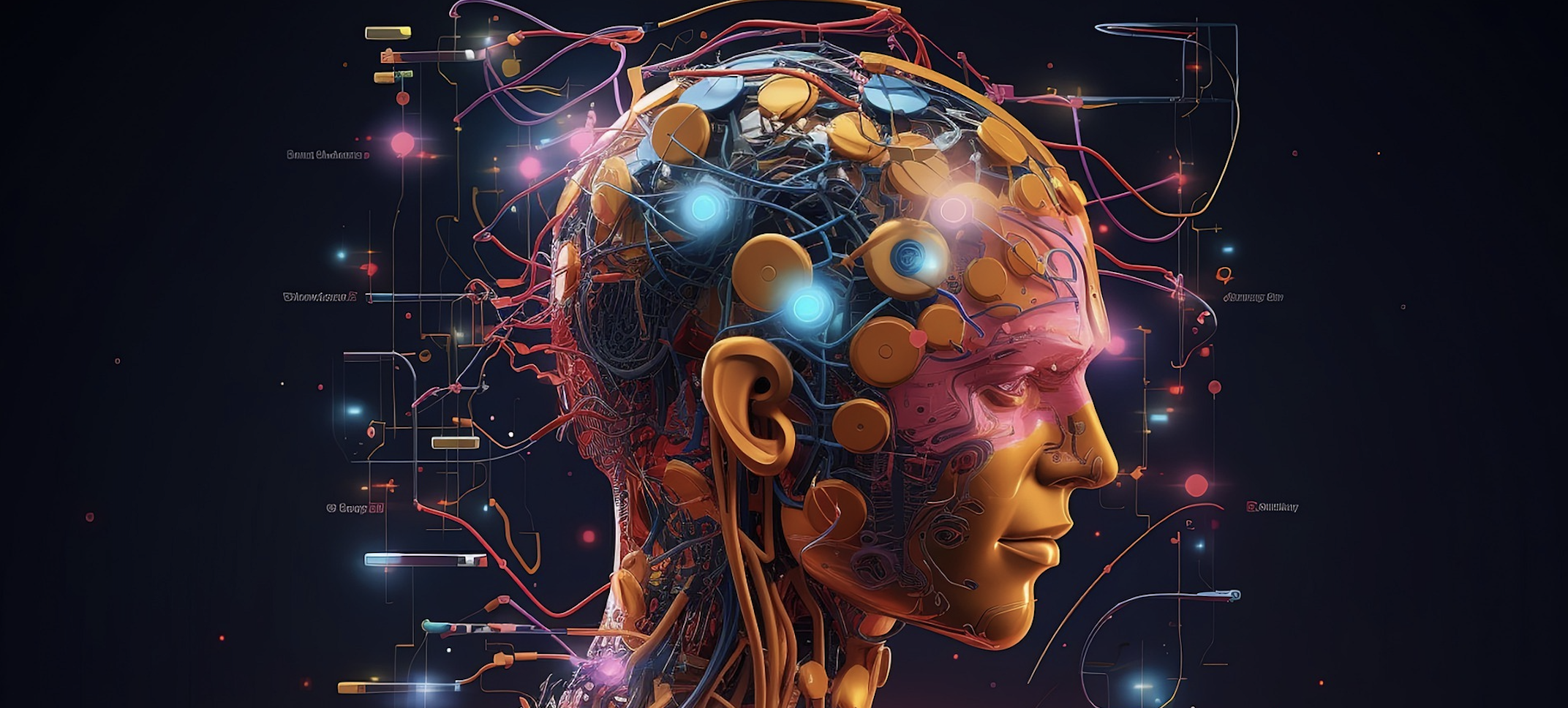
Artificial Intelligence (AI)
Artificial Intelligence, or AI, refers to the development of computer systems that can perform tasks that typically require human intelligence. Examples of these tasks include speech recognition, decision-making, language translation, and problem-solving. AI technology has a broad range of applications, from healthcare to entertainment to finance.
Hypothetical Point in the Future
The hypothetical point in the future is an unknown or speculative moment in time when the AI Singularity is predicted to occur. As the exact timing of the Singularity is uncertain, experts in the field continue to debate and make predictions based on trends in technology and computational advancements.
AI Singularity
AI Singularity refers to a hypothetical point in the future when artificial intelligence surpasses human intelligence, making it capable of self-improvement itself and alleviating the need for humans to intervene. This concept has been a subject of much debate and speculation as it raises various ethical, philosophical, and existential questions about humanity's future.
Self-Improvement
Self-Improvement refers to the ability of AI systems to autonomously enhance their own performance through learning and adaptation. As these systems improve themselves, their capabilities may increase at an exponential rate, thereby enabling them to rapidly outpace human intelligence and unlock new avenues for technological growth.
Rapid and Exponential Advancements
Rapid and exponential advancements refer to the potential surge in innovations that could occur in the wake of the AI Singularity. As artificial intelligence surpasses human intelligence and becomes capable of self-improvement, the speed and extent of technological progress may increase significantly, leading to unforeseen breakthroughs and developments in various domains of science, technology, and engineering.
Development of computer systems
Developing computer systems involves designing and creating software and hardware components that work together to perform specific tasks. In the context of AI, these systems are designed to mimic or replicate human intelligence, enabling the automation and enhancement of tasks that normally require human effort.
Transformation of Society, Economy, and Human Life
The transformation of society, economy, and human life refers to the profound and wide-reaching changes that an AI Singularity could bring about. Such a monumental shift could impact nearly every facet of human existence, including but not limited to employment, education, healthcare, communication, and our day-to-day lives. Proponents and critics of the AI Singularity have varying opinions and expectations regarding the positive or negative consequences of this potential event.
Artificial Intelligence
Artificial intelligence (AI) is the development of computer systems that can perform tasks which would typically require human intelligence, such as visual perception, speech recognition, decision-making, and language translation. AI systems can be classified into two main types: narrow AI, which is designed for specific tasks, and general AI, which has the potential to perform any intellectual task that a human can do.
Performing tasks requiring human intelligence
Tasks that typically require human intelligence include language processing, problem-solving, learning, perception, and decision-making. AI systems are developed to perform these tasks efficiently, accurately, and autonomously without human intervention.
Speech recognition
Speech recognition refers to the ability of a machine to understand spoken language, converting spoken words into written text or commands. AI-driven speech recognition technology is widely used in applications such as virtual assistants, voice-controlled devices, and transcription services.
Self-Improvement
In the context of AI, self-improvement refers to the ability of an artificial intelligence system to modify and enhance its own internal algorithms, architecture, and strategies autonomously. This process might include learning from new data or experiences, optimizing its performance, and adapting new techniques to perform the tasks better as it evolves.
Decision-making
Decision-making involves the process of selecting the best course of action from multiple alternatives. AI systems can be designed to automate and improve decision-making processes, considering large amounts of data to determine the most beneficial choice. This has numerous applications across different industries, from finance to healthcare.
Language translation
Language translation is the process of converting text or speech from one language to another. AI-powered language translation technologies enable fast and accurate translations, bridging communication gaps between people with different linguistic backgrounds. Applications include translation services, real-time communication tools, and website localization.
Problem-solving
Problem-solving is the ability to find solutions to complex or challenging issues, often involving the analysis of data, applying logic, and devising creative approaches. AI can augment human problem-solving capabilities by processing large amounts of information quickly and deriving insights that assist in making informed decisions.
Technological Progress
Technological progress is the growth and continual improvement of technologies over time. It encompasses advancements in a wide range of domains, including science, engineering, medicine, communications, and transportation, among others. It is driven by various factors such as research and development, innovation, competition, and market demand, and it has a significant impact on society, culture, and the overall quality of life.
Healthcare applications
AI technologies have many applications in healthcare, from diagnostics to treatment planning and medication management. They can help identify patterns in medical data, predict patient outcomes, and assist healthcare professionals in making informed decisions regarding patient care.
Entertainment applications
AI is used in entertainment industries like gaming, movies, and music production. It can be employed to generate content, create realistic characters, and enhance user experiences through personalization and adaptation to individual preferences.
Innovations
Innovations are the introduction of new or improved ideas, technologies, products, or processes that bring about positive changes and progress in various domains. They can result from academic research, entrepreneurship, collaboration, or even accidents, leading to both incremental and disruptive advancements that propel humanity forward. Innovations play a crucial role in driving economic growth, creating new industries, and addressing major global challenges.
Finance applications
The finance industry has embraced AI for tasks such as fraud detection, risk assessment, and investment decision-making. AI can analyze vast amounts of financial data to identify patterns, predict market trends, and assist organizations in making informed, data-driven decisions.
Unknown or Speculative Moment
An unknown or speculative moment refers to a point in time that cannot be determined accurately because it relies on conjecture, predictions, or trends that are inherently uncertain. In the context presented, it refers to the difficulty of precisely predicting when the AI Singularity might occur due to many fluctuating factors like technological breakthroughs, standardization, ethical/political considerations, and more.
Computational Advancements
Computational advancements refer to improvements in computer technology, including hardware, software, algorithms, and data processing capabilities. The pace and impact of these advancements play a critical role in AI development. The architecture of modern computers, the growth of big data, advancements in machine learning algorithms, etc., all contribute to bringing the hypothetical point of AI Singularity closer.
Trends in Technology
Trends in technology refer to the dominant directions or patterns observed in the tech industry over time. They can encompass a wide variety of aspects, such as emerging technologies, consumer behaviors, and market demand. In the AI Singularity context, this could involve tracking the development of AI-related technologies, monitoring the growth rate of computational power, and investigating the acceleration of AI research and development. These trends can offer valuable insights into when the Singularity might eventually occur.

Technological Singularity
Technological Singularity refers to a predicted future point where technological growth, particularly in the field of artificial intelligence (AI), becomes uncontrollable and irreversible. This theory suggests that machines will have intelligence surpassing human intelligence, leading to an accelerated growth and drastic changes in civilization. This term was popularized by mathematician and science fiction writer, Vernor Vinge.
Artificial Intelligence
Artificial Intelligence (AI) is a branch of computer science that aims to create systems capable of performing tasks that normally require human intelligence. These tasks include learning and problem-solving, recognizing
Artificial Intelligence (AI)
Artificial Intelligence, often abbreviated as AI, is a field of computer science dedicated to making machines or software think intelligently, in a manner similar to how humans think. It represents the integration of algorithms and hardware that enable certain tasks to be performed. The spectrum of AI ranges from machines capable of basic tasks to complex problem solving and decision making.
Machine Learning
Machine Learning is a subset of AI that provides systems the ability to automatically learn and improve from experience without being programmed. It's the practice of using algorithms to parse data, learn from it, and make informed decisions based on what it has learned. Machine learning algorithms build a mathematical model of sample data known as "training data", in order to make predictions or decisions.
Deep Learning
Deep learning is another part of AI which more specifically, is an approach to AI that's based on artificial neural networks with representation learning. It is a subfield of machine learning that often uses complex algorithms and large data sets to train a model to perform tasks such as image and speech recognition.
Neural Networks
Neural Networks are a framework for many machine learning algorithms to process complex data inputs. They are designed to recognize patterns and interpret sensory data through a kind of machine perception, labeling, or clustering. Neural networks are a set of algorithms designed to recognize patterns.
Cognitive Functions
This term generally refers to functions carried out by the human brain, including learning, reasoning, problem-solving, perception, language understanding and decision making. When referred to in the context of AI, it means the programming of certain human-like capabilities into a computer system.
Productivity and Society
The aim of developing AI and intelligent machines is to enhance productivity in various sectors and contribute to societal benefits. This can include anything from automating repetitive tasks to making advancements in complex fields such as healthcare, space exploration, etc. It significantly reduces the time taken to perform a task and allows us to solve complex problems and make data-driven decisions.
American Indian Graduate Center (AIGC)
The American Indian Graduate Center (AIGC) is a non-profit organization that plays a crucial role in providing academic financial support to Native American students. The organization holds a belief in the power of education to transform individuals and their communities, hence its focus on furthering higher education among students.
Team Collaboration
Collaborative Chat AIs can greatly aid team communication and information sharing. By intelligently facilitating discussions, the system helps reduce email clutter and keep important project details from slipping through the cracks. This can improve productivity and ensure each team member is fully aware of project timelines and important milestones.
Project Management
A collaborative AI can be a powerful tool for project management. It can ensure appropriate task delegation, track progress of different elements of the project, and provide updates on key project milestones. With its assistance, managing complex projects can become more efficient and less prone to human error.
Brainstorming & Idea Generation
In the creative process, a Collaborative Chat AI can be leveraged as an innovative thought partner. It can suggest new ideas and fresh perspectives based on user input, thus enhancing the brainstorming process. This can lead to more diversified and innovative outcomes, fueling the ideation phase of projects.
Training and Onboarding
AI chatbots are a valuable resource for training and onboarding employees. They can guide new recruits through training materials and ensure they understand company policies. By automating the initial aspects of onboarding, the process can be made more efficient, freeing up human resources for other tasks.
Customer Support & Service
Implementing AI chatbots in customer service can drastically improve the speed and efficiency of customer support. They are capable of answering frequently asked questions (FAQs), tracking customer orders, and providing real-time assistance. This leads to enhanced customer satisfaction and operational efficiency.
Language Translation
Language barriers can be effortlessly managed with the utilization of translation in AI chatbots. It facilitates multilingual communication between team members or customers by translating messages in real-time. This feature is especially useful in global teams or international businesses.
Meeting Scheduling and Management
Chatbots can play a critical role in scheduling and managing meetings. They can check the availability of all team members, send calendar invites, and even prepare meeting agendas. This helps in coordinating meetings more effectively, preventing overlap and confusion.
Document Collaboration
Collaborative Chat AIs can assist in working on shared documents. They can provide real-time suggestions to enhance the content, and track changes to ensure everyone is updated on modifications. This can make collaborative work more cohesive and streamlined.
Personal Assistance
Beyond professional scenarios, chatbots can also function as personal assistants, providing reminders, managing tasks, or providing relevant information based on the user's preferences. They can make personal organization more efficient and tailored to individual needs.
Mental Health and Well-being
AI chatbots can also be a source of support for mental health and well-being. They can suggest stress management techniques, coping strategies and even offer positive affirmations. These can be especially beneficial for individuals struggling with stress or those looking for ways to maintain their mental well-being.
Scholarships
Scholarships are a part of financial assistance offered by AIGC to American Indian and Alaska Native students. These are financial aid awards designed to help students pay for an undergraduate or graduate degree. Unlike loans, scholarships do not have to be repaid.
Fellowships
Alongside scholarships, AIGC provides fellowships, which are financial awards given directly to students (typically graduate students) for study or research rather than to a program or university. Fellowships, like scholarships, do not need to be repaid and provide essential support for students aspiring to advance in their education and professional careers.
Professional Development
A key aspect of AIGC's mission is to support the professional development of American Indian and Alaskan Native students, contributing not only to their personal growth but also, and more importantly, to the welfare of their communities. Professional development often includes coursework, internships, and workshops designed to develop skills and competences for a chosen career.
Higher Education
Higher education is essentially any type of education that occurs after high school. It includes undergraduate and postgraduate education including associate, bachelors, masters, or doctoral degrees. AIGC's support in this space helps native students undertake such educational programs promoting socioeconomic growth of their communities.